Monday, 2 September 2024

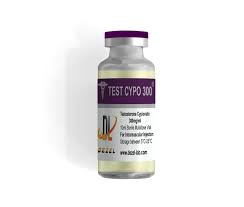
Testosterone Cypionate 300mg/ml Overview - @kelvindrey45

Testosterone Cypionate is a synthetic form of the naturally occurring male hormone, testosterone. It is one of the most popular and widely used anabolic steroids, particularly among athletes and bodybuilders. Testosterone Cypionate is commonly used to treat individuals with low testosterone levels, but it also has a significant role in the enhancement of athletic performance, muscle mass, and overall physical appearance. The formulation of Testosterone Cypionate at 300mg/ml offers a potent dosage, making it a favored choice for those looking to experience its full benefits.

Understanding Testosterone and Its Role

Testosterone is a crucial hormone in the human body, primarily responsible for the development of male sexual characteristics. It plays a significant role in muscle growth, fat distribution, bone density, and the maintenance of high energy levels. While both men and women produce testosterone, men have significantly higher levels, which is why it’s often associated with male traits such as increased muscle mass and a deeper voice.

Testosterone levels naturally decline with age, leading to a range of symptoms including decreased muscle mass, increased body fat, low libido, and a general reduction in vitality. For those experiencing these symptoms, Testosterone Cypionate can be a highly effective treatment option. Additionally, athletes and bodybuilders often use Testosterone Cypionate to accelerate muscle growth, improve recovery times, and enhance overall physical performance.

What is Testosterone Cypionate?

Testosterone Cypionate is a long-acting ester of testosterone, designed for intramuscular injection. The esterification of the testosterone molecule allows for a slower release into the bloodstream, which prolongs the effects of the hormone. The 300mg/ml concentration indicates the strength of the solution, with each milliliter containing 300mg of active testosterone. This higher concentration allows for a more potent effect with smaller injection volumes, which can be more convenient for users.

Medical Uses

Testosterone Cypionate is primarily prescribed to treat hypogonadism, a condition where the body does not produce sufficient testosterone. This can lead to a range of symptoms such as fatigue, depression, reduced libido, and loss of muscle mass. By restoring normal testosterone levels, Testosterone Cypionate can help alleviate these symptoms, improve quality of life, and promote the development of secondary sexual characteristics in men with delayed puberty.

Dosage and Administration

When prescribed by a healthcare professional, the dosage of Testosterone Cypionate will vary depending on the individual's needs. For men with hypogonadism, the typical dosage ranges from 50mg to 400mg administered every two to four weeks. The 300mg/ml concentration allows for a more tailored dosage, as smaller volumes can be administered to achieve the desired effect.

For athletes and bodybuilders, the dosage tends to be significantly higher, often ranging from 400mg to 1000mg per week. These higher dosages are used to maximize muscle growth and physical performance, but they also come with an increased risk of side effects. It is crucial for users to follow a proper cycle and post-cycle therapy (PCT) plan to mitigate these risks.

Pharmacokinetics

After intramuscular injection, Testosterone Cypionate is slowly absorbed into the bloodstream. Its half-life is approximately 8 days, which means it takes about this time for the concentration of the drug in the bloodstream to reduce by half. The slow release and extended half-life make it a popular choice for those who prefer less frequent injections. However, because of the prolonged release, it is essential to maintain a consistent injection schedule to avoid fluctuations in hormone levels, which can lead to side effects.

Effects and Benefits

  1. Muscle Growth and Strength: Testosterone Cypionate significantly enhances muscle protein synthesis, leading to increased muscle mass and strength. This makes it a popular choice for bodybuilders during bulking cycles.

  2. Improved Recovery: Testosterone aids in the recovery process by increasing the production of red blood cells, which enhances oxygen delivery to muscles. This allows for quicker recovery between workouts and reduces the risk of overtraining.

  3. Increased Libido and Sexual Performance: As testosterone levels rise, so does sexual drive and performance. Testosterone Cypionate is often prescribed to men experiencing low libido due to reduced testosterone levels.

  4. Fat Loss: While not primarily used for fat loss, Testosterone Cypionate can aid in reducing body fat by increasing metabolic rate and promoting the maintenance of lean muscle mass, which in turn burns more calories.

  5. Enhanced Mood and Energy: Testosterone has a significant impact on mood and energy levels. Users often report an increase in overall well-being, reduced feelings of fatigue, and an improved sense of vitality.

Potential Side Effects


While Testosterone Cypionate offers numerous benefits, it is not without potential side effects, especially when used at higher dosages or without medical supervision. Common side effects include:

  1. Estrogenic Effects: Testosterone can convert to estrogen in the body, leading to side effects such as gynecomastia (enlarged breast tissue in men), water retention, and increased body fat. These can often be managed with the use of aromatase inhibitors (AIs).

  2. Androgenic Effects: These include acne, oily skin, and increased facial and body hair. In some cases, it can also lead to male pattern baldness, particularly in those genetically predisposed to it.

  3. Cardiovascular Issues: High levels of testosterone can affect cholesterol levels, leading to an increased risk of heart disease. It can also raise blood pressure and lead to other cardiovascular issues.

  4. Suppression of Natural Testosterone Production: Exogenous testosterone can suppress the body’s natural production of the hormone, leading to testicular atrophy and decreased sperm production. Post-cycle therapy (PCT) is essential to help restore natural testosterone levels after discontinuing use.

  5. Psychological Effects: Some users may experience mood swings, increased aggression, or irritability. These psychological effects are often referred to as "roid rage."

Legal and Ethical Considerations


In many countries, Testosterone Cypionate is classified as a controlled substance and is only available via prescription. The use of anabolic steroids without a prescription is illegal and can result in legal consequences. Moreover, the use of such substances in sports is prohibited by most governing bodies, and athletes caught using them can face suspensions, fines, and permanent bans from competition.

Testosterone Cypionate 300mg/ml is a powerful tool for those looking to enhance their physical performance, treat low testosterone levels, or achieve their bodybuilding goals. However, it is not without risks, and it is essential to use this compound responsibly. Always consult with a healthcare professional before beginning any testosterone replacement therapy or anabolic steroid cycle to ensure safe and effective use. Proper management of dosage, cycle length, and post-cycle therapy will help maximize the benefits while minimizing potential side effects.


Contact Us

User: @kelvindrey45

Telegram: https://t.me/steriodsperth


Friday, 30 August 2024

Wegovy Injection Available For Sale - @kelvindrey45

Wegovy (semaglutide) injection is a prescription medication used for weight management in adults. Approved by the U.S. Food and Drug Administration (FDA) in June 2021, Wegovy represents a significant advancement in obesity treatment. It is specifically designed for chronic weight management in individuals with obesity or overweight conditions, particularly those who have weight-related health issues such as type 2 diabetes, hypertension, or high cholesterol. This medication, combined with a reduced-calorie diet and increased physical activity, offers a promising solution for those struggling to achieve and maintain weight loss.

How Wegovy Works

Wegovy is a glucagon-like peptide-1 (GLP-1) receptor agonist, a class of medications that mimic the GLP-1 hormone naturally produced in the intestines. GLP-1 plays a crucial role in regulating appetite and food intake by signaling to the brain when the stomach is full, thereby reducing hunger and helping control calorie intake. By activating these receptors, Wegovy slows gastric emptying, prolongs the feeling of fullness, and reduces overall food consumption.

The active ingredient in Wegovy, semaglutide, was initially developed for the treatment of type 2 diabetes. However, during clinical trials, researchers noticed significant weight loss in participants using semaglutide. This discovery led to the development of Wegovy, which contains a higher dose of semaglutide specifically targeted for weight management.

Dosage and Administration

Wegovy is administered as a subcutaneous injection, typically into the abdomen, thigh, or upper arm. It is designed for once-weekly use, making it convenient for long-term management of obesity. The medication is available in a pre-filled, single-use pen, which simplifies the process of self-administration.

The dosing regimen for Wegovy is gradual, starting with a low dose and increasing over time to minimize potential side effects. Patients usually begin with a 0.25 mg dose once a week for the first four weeks. The dose is then gradually increased every four weeks, reaching the full dose of 2.4 mg by week 16. This titration schedule helps the body adjust to the medication, reducing the likelihood of gastrointestinal side effects such as nausea and vomiting.

Efficacy of Wegovy


Clinical trials have demonstrated the effectiveness of Wegovy in achieving significant weight loss. In the STEP (Semaglutide Treatment Effect in People with obesity) clinical trial program, participants who used Wegovy, combined with lifestyle changes, lost an average of 15% to 20% of their body weight over 68 weeks. This level of weight loss is considerable compared to other weight management treatments currently available.

In addition to weight loss, Wegovy has been shown to improve other health markers. Participants in clinical trials experienced reductions in waist circumference, blood pressure, and cholesterol levels. These benefits suggest that Wegovy not only aids in weight loss but also contributes to the overall improvement of metabolic health.

Potential Side Effects

Like all medications, Wegovy is associated with potential side effects, though not everyone will experience them. The most common side effects are gastrointestinal, including nausea, vomiting, diarrhea, constipation, and abdominal pain. These side effects are generally mild to moderate and tend to decrease over time as the body adjusts to the medication.

However, there are more serious side effects to be aware of, although they are rare. These include pancreatitis (inflammation of the pancreas), gallbladder problems, and kidney damage. Additionally, there is a potential risk of thyroid C-cell tumors, including medullary thyroid carcinoma (MTC), a rare but serious form of thyroid cancer. Due to this risk, Wegovy is not recommended for individuals with a personal or family history of MTC or Multiple Endocrine Neoplasia syndrome type 2 (MEN 2).

Patients taking Wegovy should also be monitored for signs of depression or suicidal thoughts, as these have been reported in some cases. It is essential to discuss any unusual changes in mood or behavior with a healthcare provider promptly.

Who Should Use Wegovy?


Wegovy is intended for adults with a body mass index (BMI) of 30 kg/m² or greater (obesity) or 27 kg/m² or greater (overweight) who have at least one weight-related condition, such as type 2 diabetes, hypertension, or high cholesterol. It is crucial for potential users to understand that Wegovy is not a quick fix for weight loss but part of a comprehensive weight management program that includes dietary changes, increased physical activity, and behavioral interventions.

Wegovy is not suitable for everyone. It is contraindicated in individuals with a history of severe allergic reactions to semaglutide or any of its components. Pregnant or breastfeeding women should not use Wegovy, as weight loss during pregnancy is not recommended and may harm the fetus.

Before starting Wegovy, it is essential to have a thorough discussion with a healthcare provider to evaluate its suitability based on individual health conditions and history. Regular follow-up appointments are necessary to monitor progress, adjust dosage if needed, and manage any side effects.

Lifestyle Changes and Wegovy


While Wegovy can significantly aid in weight loss, it is most effective when used in conjunction with lifestyle changes. Patients are encouraged to adopt a reduced-calorie diet tailored to their specific needs and to engage in regular physical activity. These lifestyle modifications not only enhance the effects of Wegovy but also promote long-term weight maintenance and overall health improvement.

Behavioral changes, such as stress management and sleep improvement, are also important components of a successful weight management plan. Healthcare providers often recommend working with dietitians, fitness trainers, and mental health professionals to develop a comprehensive and sustainable approach to weight loss.

Wegovy injection offers a promising option for adults struggling with obesity or overweight conditions, particularly when accompanied by weight-related health issues. As part of a broader weight management plan that includes diet, exercise, and behavioral changes, Wegovy can lead to significant and sustained weight loss, improving overall health and quality of life. However, it is essential for patients to use this medication under the guidance of a healthcare provider to ensure safety and effectiveness, as well as to manage any potential side effects.


Contact Us

User: @kelvindrey45

Telegram: https://t.me/steriodsperth


Wednesday, 28 August 2024

Ozempic 0.5 mg Injection Available For Sale - @kelvindrey45


Ozempic (semaglutide) is an injectable medication primarily used for the treatment of type 2 diabetes mellitus. It belongs to a class of drugs known as GLP-1 receptor agonists, which mimic the effects of a naturally occurring hormone called glucagon-like peptide-1 (GLP-1). This hormone plays a key role in blood sugar regulation, appetite control, and insulin secretion, making Ozempic a powerful tool in managing diabetes and associated weight issues.

Composition and Formulation

Ozempic is available as a clear, colorless, and sterile solution in pre-filled pens designed for subcutaneous injection. Each pen delivers a dose of 0.5 mg of semaglutide in 1.5 mL of solution. The active ingredient, semaglutide, is a long-acting GLP-1 receptor agonist, which has a half-life of approximately one week, allowing for once-weekly dosing. The solution also contains water for injection, disodium phosphate dihydrate, propylene glycol, and phenol as preservatives, ensuring the stability and efficacy of the medication.

Mechanism of Action


Semaglutide, the active ingredient in Ozempic, works by mimicking the action of the GLP-1 hormone. GLP-1 is released in response to food intake and helps regulate blood sugar levels in several ways:
  1. Stimulation of Insulin Secretion: Ozempic stimulates the pancreas to release insulin in response to elevated blood glucose levels. This action is glucose-dependent, meaning that it enhances insulin secretion only when blood sugar levels are high, reducing the risk of hypoglycemia (low blood sugar).

  2. Inhibition of Glucagon Release: Glucagon is a hormone that increases blood glucose levels by promoting the release of glucose from the liver. By inhibiting glucagon secretion, Ozempic helps to prevent unnecessary glucose release, thereby lowering blood sugar levels.

  3. Slowing Gastric Emptying: Ozempic slows down the rate at which food leaves the stomach, leading to a slower absorption of glucose into the bloodstream. This helps in reducing postprandial (after-meal) blood sugar spikes.

  4. Reduction of Appetite and Food Intake: By acting on specific brain receptors, Ozempic reduces appetite, leading to lower food intake and, consequently, weight loss. This is particularly beneficial for overweight or obese individuals with type 2 diabetes.

Indications

Ozempic is indicated for the treatment of type 2 diabetes mellitus in adults. It is used as an adjunct to diet and exercise to improve glycemic control. Ozempic can be used as monotherapy in patients who are unable to take metformin due to intolerance or contraindications, or it can be used in combination with other oral antidiabetic agents such as metformin, sulfonylureas, or sodium-glucose co-transporter 2 (SGLT2) inhibitors.

In addition to its primary role in controlling blood sugar levels, Ozempic has been shown to have several cardiovascular benefits. Clinical trials have demonstrated that it can reduce the risk of major adverse cardiovascular events (MACE), such as heart attack, stroke, and cardiovascular death, making it an attractive option for patients with type 2 diabetes who are at high risk of cardiovascular disease.

Dosage and Administration


Ozempic is administered as a once-weekly subcutaneous injection, typically in the abdomen, thigh, or upper arm. The initial dose is 0.25 mg once weekly for the first four weeks, followed by an increase to 0.5 mg once weekly. This gradual increase helps to minimize gastrointestinal side effects, such as nausea, which are common during the initiation of GLP-1 receptor agonists. If additional glycemic control is needed, the dose can be further increased to 1 mg once weekly after at least four weeks on the 0.5 mg dose.

Patients should be advised to take Ozempic on the same day each week, at any time of day, with or without meals. If a dose is missed, it should be taken as soon as possible within five days of the missed dose. If more than five days have passed, the missed dose should be skipped, and the next dose should be taken on the regularly scheduled day.

Efficacy

Ozempic has been extensively studied in clinical trials, where it has consistently demonstrated superior glycemic control compared to other antidiabetic agents. In the SUSTAIN clinical trial program, Ozempic was shown to reduce HbA1c levels by 1.0% to 1.5% from baseline when used as monotherapy or in combination with other antidiabetic medications. This reduction was sustained over long-term follow-up, indicating that Ozempic provides durable glycemic control.

In addition to lowering HbA1c, Ozempic has been associated with significant weight loss. In clinical trials, patients treated with Ozempic experienced an average weight reduction of 5% to 10% of their initial body weight, depending on the dose. This weight loss is particularly beneficial for overweight or obese individuals with type 2 diabetes, as it can help improve insulin sensitivity and reduce the risk of cardiovascular complications.

Side Effects


Like all medications, Ozempic may cause side effects, although not everyone will experience them. The most common side effects are gastrointestinal in nature and include nausea, vomiting, diarrhea, abdominal pain, and constipation. These side effects are usually mild to moderate in severity and tend to diminish over time as the body adjusts to the medication.

Other potential side effects include:

  1. Hypoglycemia: Although Ozempic itself has a low risk of causing hypoglycemia, the risk increases when it is used in combination with other antidiabetic agents such as sulfonylureas or insulin. Patients should be educated on the signs and symptoms of hypoglycemia and how to manage it.

  2. Pancreatitis: There have been reports of acute pancreatitis in patients using GLP-1 receptor agonists, including Ozempic. Patients should be informed about the symptoms of pancreatitis, such as severe abdominal pain that may radiate to the back, and advised to seek medical attention if these symptoms occur.

  3. Thyroid Tumors: In animal studies, semaglutide has been associated with an increased risk of thyroid C-cell tumors, including medullary thyroid carcinoma (MTC). Although this risk has not been established in humans, Ozempic is contraindicated in patients with a personal or family history of MTC or multiple endocrine neoplasia syndrome type 2 (MEN 2).

  4. Allergic Reactions: Serious allergic reactions, including anaphylaxis, have been reported with the use of Ozempic. Patients should be advised to seek immediate medical attention if they experience symptoms of a severe allergic reaction, such as difficulty breathing, swelling of the face or throat, or severe rash.

Special Considerations


  • Renal Impairment: Ozempic can be used in patients with mild to moderate renal impairment without dose adjustment. However, it should be used with caution in patients with severe renal impairment or end-stage renal disease, as there is limited data on its use in this population.

  • Pregnancy and Lactation: Ozempic is not recommended during pregnancy due to the potential risk of fetal harm. Women of childbearing potential should use effective contraception while using Ozempic and for at least two months after discontinuation. It is also unknown whether semaglutide is excreted in human breast milk, so caution is advised when administering Ozempic to breastfeeding women.

Ozempic 0.5 mg is a highly effective and versatile medication for the management of type 2 diabetes, offering significant benefits in terms of glycemic control, weight reduction, and cardiovascular protection. Its once-weekly dosing regimen and the flexibility of administration make it a convenient option for patients. While it has a generally favorable safety profile, it is important for healthcare providers to consider individual patient factors and potential risks when prescribing Ozempic. By understanding the benefits and risks associated with this medication, patients and healthcare providers can work together to achieve optimal diabetes management and improve overall health outcomes.


Contact Us

User: @kelvindrey45

Telegram: https://t.me/steriodsperth